
Emerging risk
Carpe Cyber
Cyber risk intelligence for carriers moving beyond traditional signals.
Primary buyer: Innovation, underwriting, and risk leadership
Related workflow: Emerging risk and cyber
Extend the same intelligence model into cyber and adjacent risk.
Overview
Carpe Cyber expands the platform into cyber and emerging risk, applying the same disciplined intelligence model to the categories carriers increasingly need to understand.
Carriers do not want a disconnected emerging-risk experiment. They want a believable extension of a trusted intelligence model.
Buyer and team
Innovation, underwriting, and risk leadership
Workflow problem
Why teams buy this.
Carriers need adjacent risk intelligence, but disconnected tools are hard to sponsor and even harder to trust.
Inputs and outputs
What the product looks at and what teams get back.
Inputs and signal sources
Outputs and deliverables
Data usage
What this product uses and what it does not.
Clear guardrails on data usage help teams evaluate fit, trust, and compliance readiness.
Data we use
Data we do not use
How it works in practice
The product in action.
See the product in context — how it captures signal, organizes findings, and delivers output into the workflow.
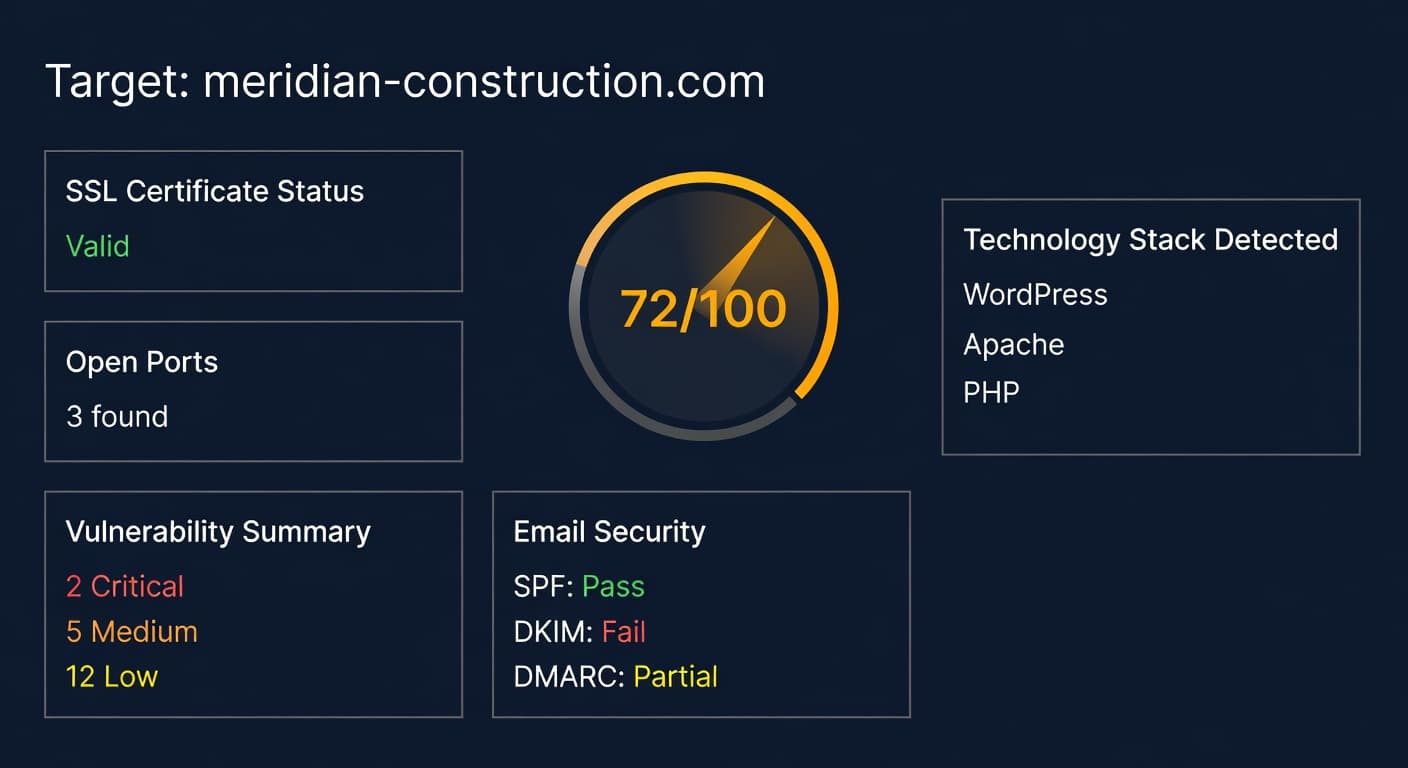
Cyber risk signals are assessed and organized for underwriting and emerging-risk operating reviews.
Operating motion
How it works in practice.
Implementation
Implementation path and requirements.
6 weeks for pilot deployment, then phased expansion by category.
Steps
Requirements
Why buyers trust it
Built for reviewable output and real workflow fit.
Enterprise buyers care about signal quality, output clarity, and whether the product fits how teams already make decisions.
Keeps the same signal-to-workflow discipline as core Carpe products
Feels like an extension, not a separate experiment
Supports platform expansion without fragmenting the buyer story
Expansion path
Related products and the next logical motion.
This product sits inside the broader emerging risk and cyber story and can expand into adjacent workflows cleanly.
Expansion path
FAQ
Questions teams ask before rollout.
Answers on data sources, implementation, pricing model, integration, and compliance.
What data does Carpe Cyber use?
Carpe Cyber uses external cyber-relevant signals and carrier-defined exposure context to generate prioritized, reviewable findings.
How quickly can a pilot be launched?
Most carriers can run an initial pilot in about 6 weeks, then scale to more exposure categories as governance matures.
How is pricing typically structured?
Pricing is generally aligned to exposure scope, portfolio coverage, and reporting depth needed for underwriting and innovation teams.
Can this integrate with underwriting and risk workflows?
Yes. Outputs are designed to fit existing underwriting and emerging-risk operating reviews rather than creating a parallel workflow.
How do you support compliance and control?
The product emphasizes reviewable output, defined scope, and governance-aligned deployment for enterprise use.
See this product in a live workflow walkthrough.
Carpe can tailor the conversation around the buyer, the operating problem, and the adjacent products that matter most for adoption.